Winter-Proof Your Roof and Gutters: How to Prevent Ice Dams and Cold Weather Damage
Keywords: roof repair, roof inspection, roofing contractor, gutter repair, ice dam prevention, roofer near me
As the temperatures drop, your roof and gutters take on more than their share of winter’s challenges. Freezing rain, snow, and fluctuating temperatures can create conditions that accelerate wear and tear. Ice dams, clogged gutters, and poor ventilation are often the culprits behind leaks and costly repairs. The good news is a few preventive steps now can protect your home through the cold months ahead.
1. Keep Gutters Clear and Draining
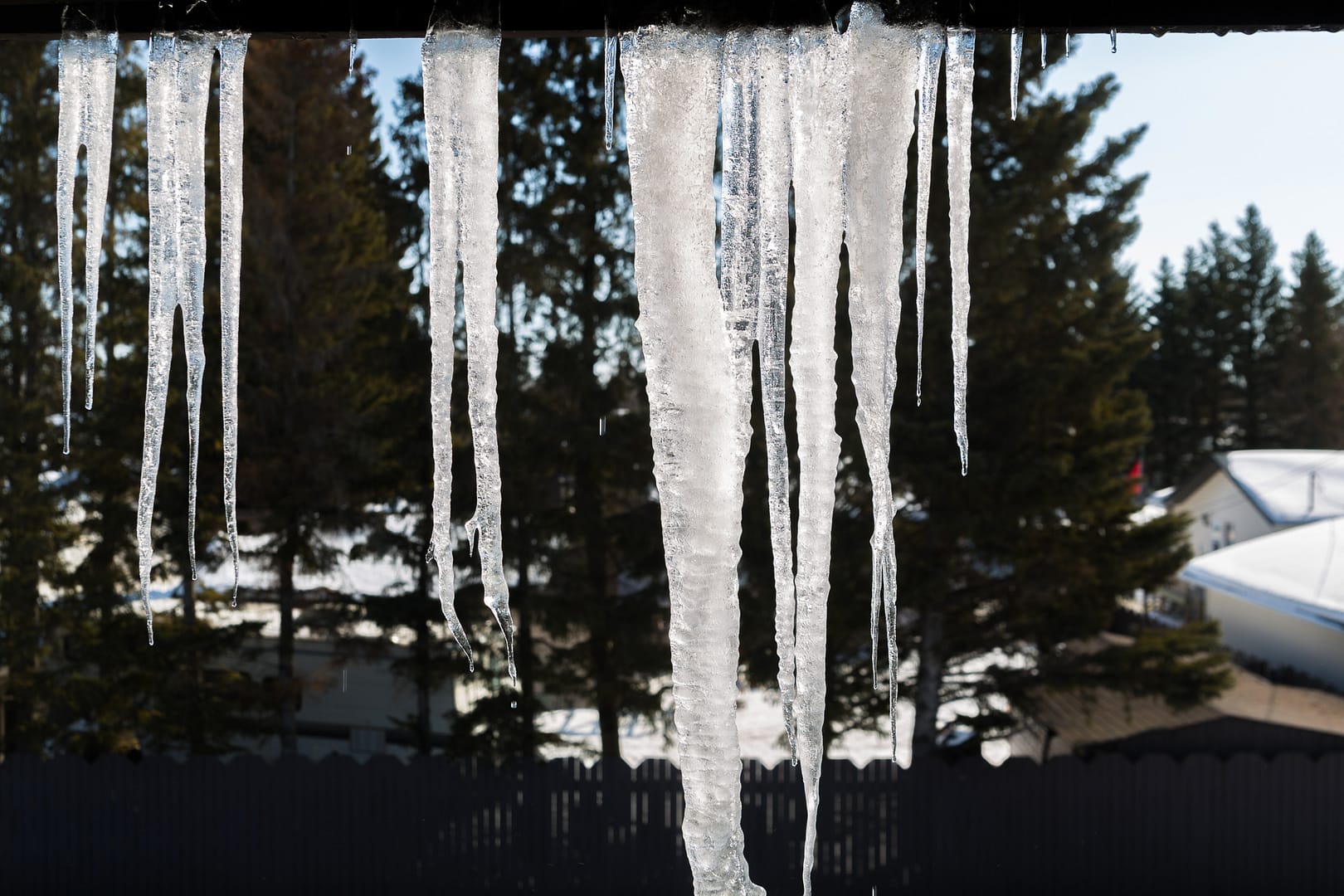
Gutters are your home’s first line of defense against water damage. When leaves and debris block them, melted snow has nowhere to go—and that’s when ice dams begin to form. Water backs up under the shingles, refreezes, and pushes its way into the roof deck or attic.
Clean your gutters thoroughly before temperatures stay below freezing. If you have a lot of tree cover, consider installing gutter guards to reduce buildup. Also, make sure your downspouts discharge several feet from the foundation to prevent ice buildup and basement leaks.
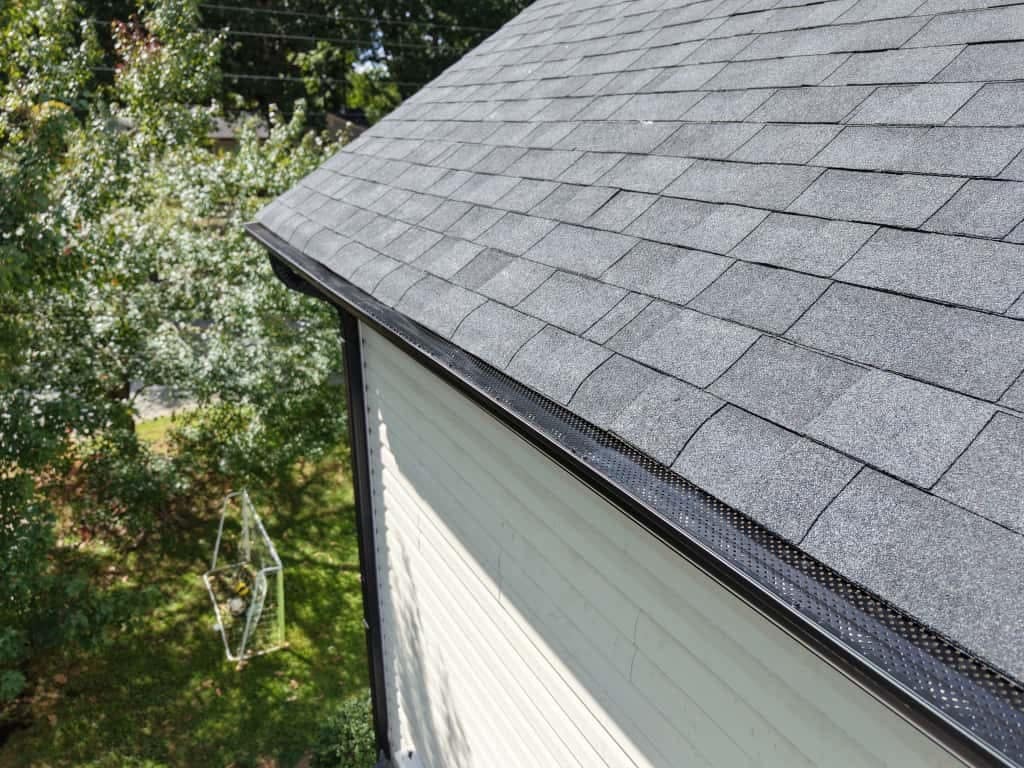
(Pictured above: Clean gutters mitigate a lot of issues going into the colder months. Fall is a great time to clean them before snowfall starts and bigger issues can present themselves.)
2. Inspect Flashing and Roof Edges
Metal flashing around chimneys, vents, and valleys is one of the first areas where water can sneak in. Loose or cracked flashing allows water to penetrate beneath shingles. The same goes for drip edge metal along eaves and rakes—it directs water safely into gutters, keeping fascia boards dry.
A professional roofing contractor can spot weak points before they turn into leaks, saving you the trouble of dealing with water damage mid-winter.
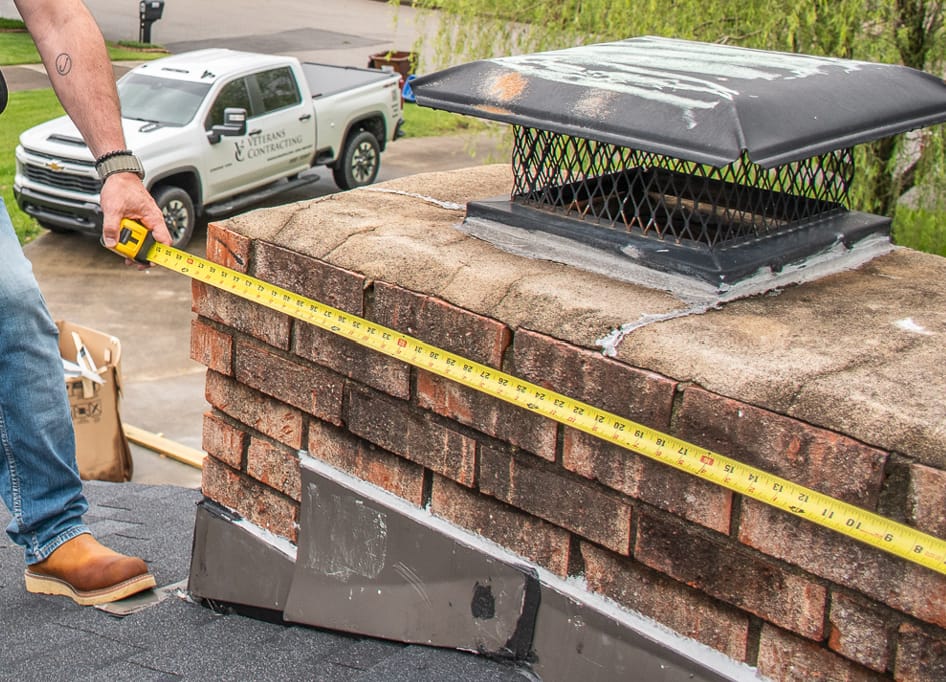
(Pictured above: The chimney flashing is old and damaged and may allow water and ice to seep in around the edges.)
3. Check Attic Insulation and Ventilation
Ice dams form when warm air from inside your home escapes into the attic, melting snow on the roof. That water then refreezes at the eaves where temperatures are colder. Proper attic insulation and ventilation prevent this by keeping roof temperatures consistent.
Look for signs of uneven insulation or blocked soffit vents. A well-ventilated attic not only prevents ice dams but also extends the life of your roofing system by reducing condensation and moisture buildup.
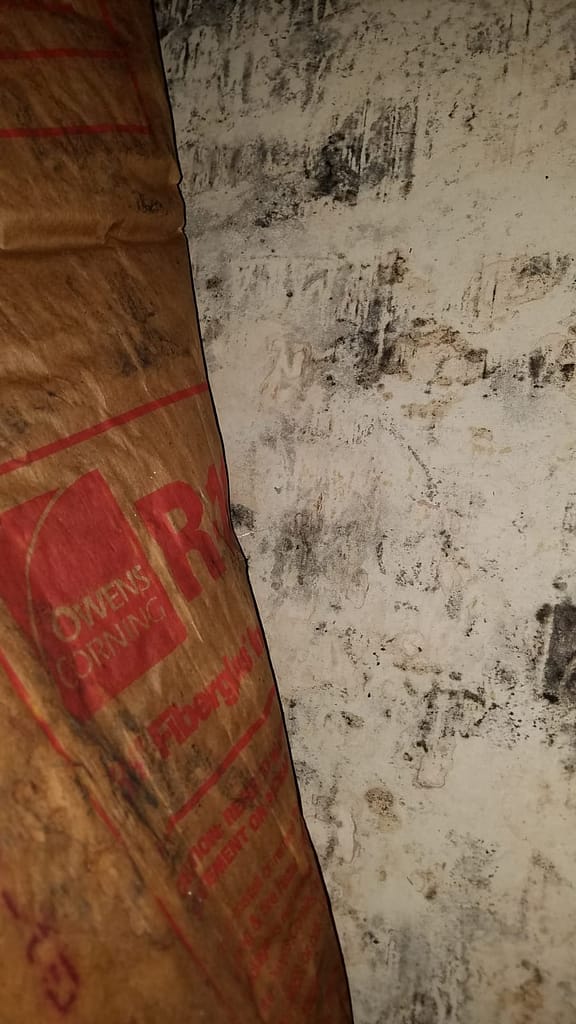
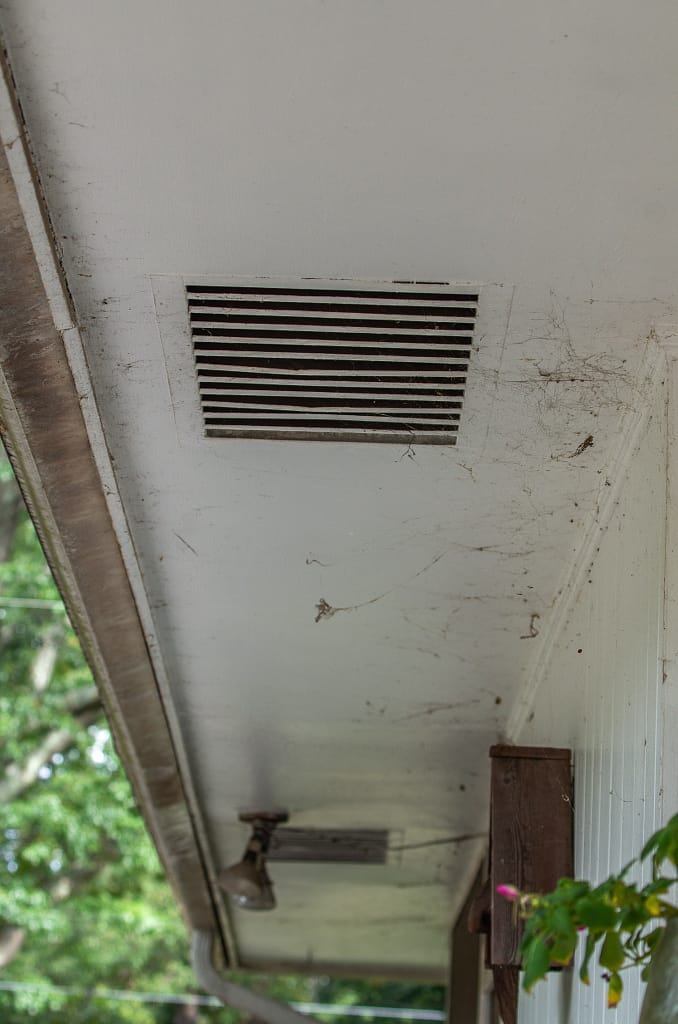
(Pictured above: Ensure soffit vents are clear from obstructions and allow airflow into the attic. Sometimes insulation can obstruct airflow and cause humidity and moisture to build up and cause damage and mold.)
4. Examine Gutters, Fascia, and Siding for Signs of Damage
Water from melting snow can seep behind gutters and down siding if fascia boards or soffits are soft or decayed. This moisture intrusion can lead to mold, wood rot, and even interior wall damage.
Press gently on fascia boards near the gutter line—if they flex or feel soft, it’s time to replace them. Sealing gaps or cracks in siding also prevents wind-driven rain and ice from working its way in.
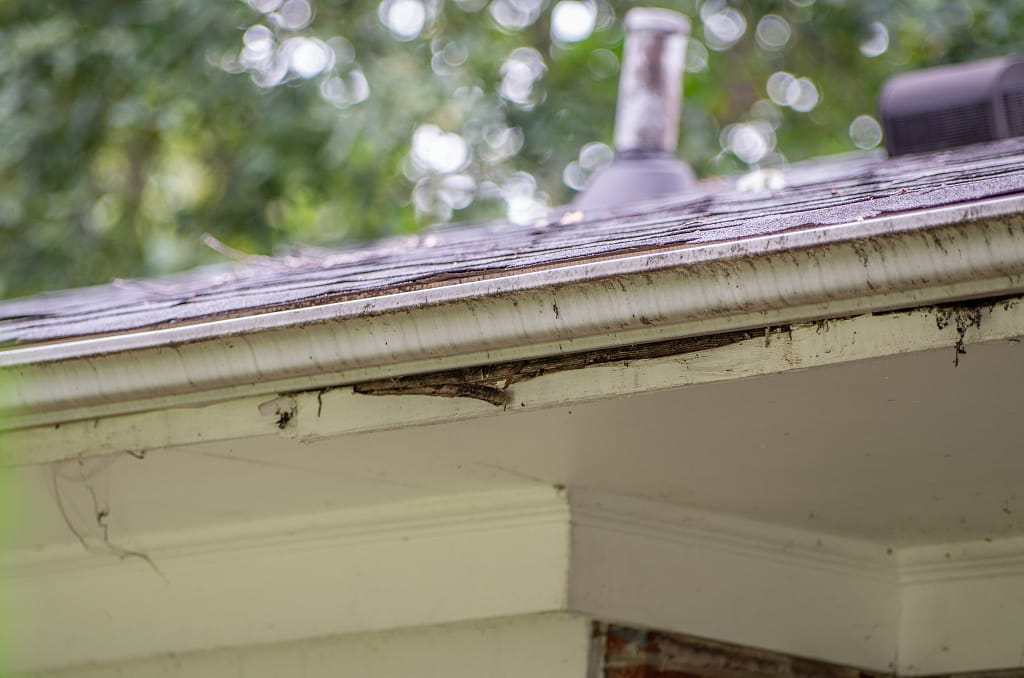
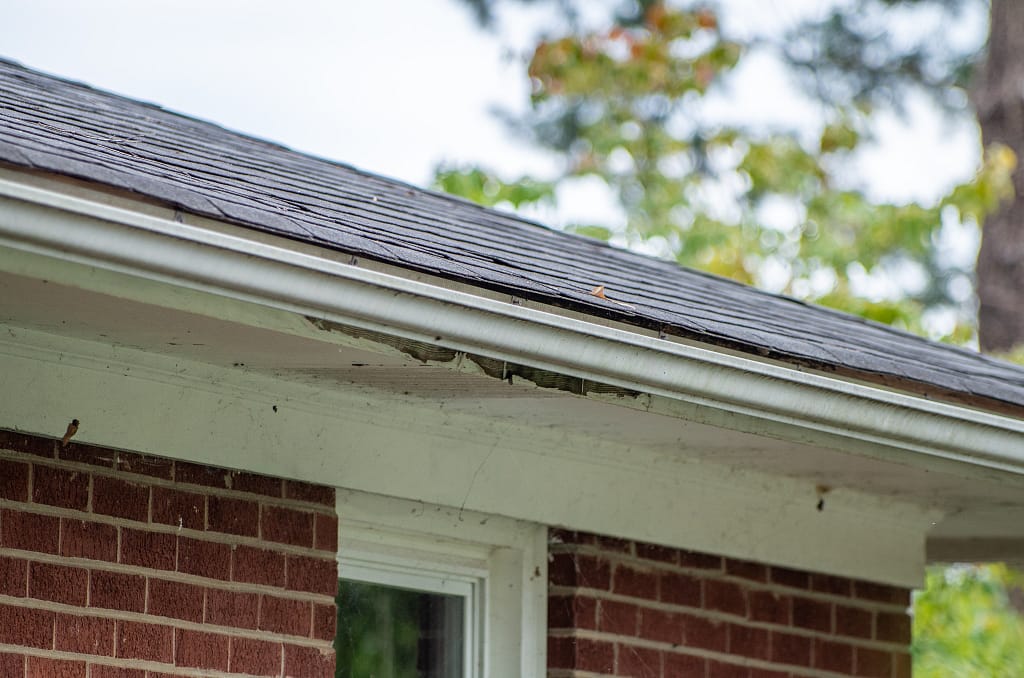
(Pictured above: Fascia and soffit damage is visible by gutters, signalling needed repairs.)
5. Schedule a Professional Roof and Gutter Inspection
Even with regular maintenance, some issues can hide in plain sight. A winter inspection from a trusted roofing company can catch small leaks, loose shingles, and deteriorating sealants before freezing temperatures make repairs more difficult.
At V.C. Veterans Contracting, our crews are trained to spot early signs of winter-related damage and recommend solutions that extend the life of your roof and gutters. A quick visit now can save you from larger repairs when spring storms arrive.
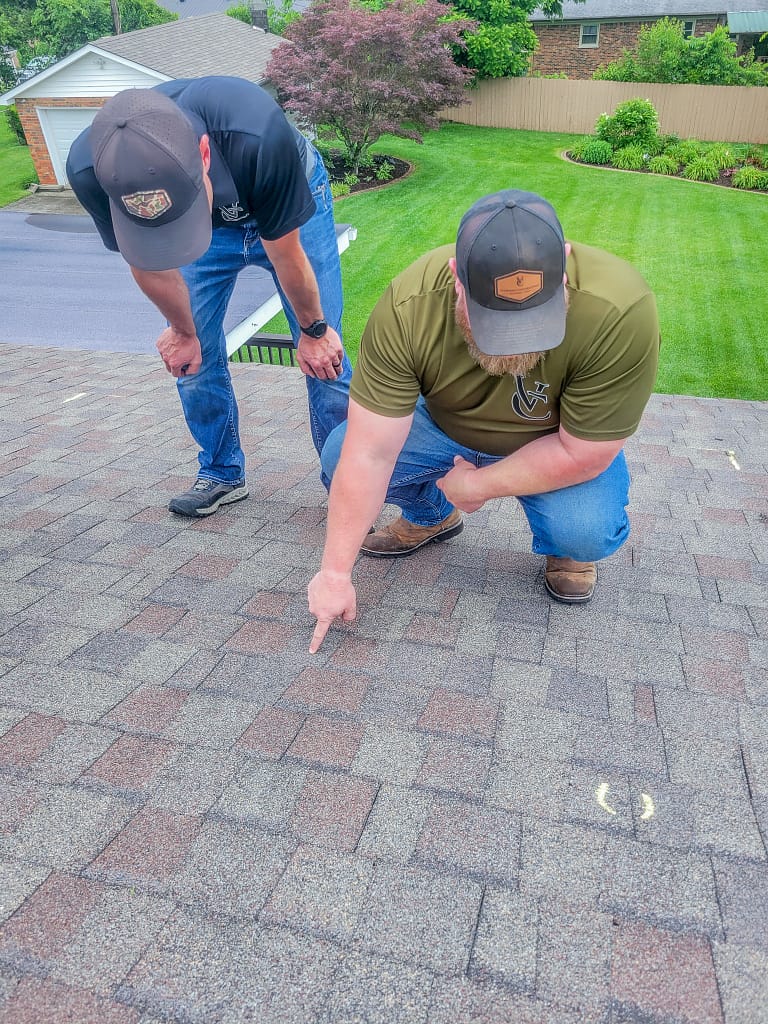
(Pictured above: Our team at V.C. Veterans Contracting performs a roof inspection for a homeowner to identify and document all problem areas and concerns that should be addressed.)
Protect Your Home Before the Freeze
Your roof and gutters quietly protect everything inside your home—from your walls and ceilings to the keepsakes that matter most. Taking a few preventive steps this fall is the simplest way to keep that protection strong all winter long.
If you’re unsure where to start, schedule an inspection with our team. We’ll help you identify risks, reinforce weak spots, and give you peace of mind that your home is winter-ready.