Installing Asphalt Shingles in Cold Weather
Keywords: Cold Weather Shingle Installation, Cold weather roofing, Kentucky Roofing, V.C. Veterans Contracting LLC
What Homeowners Should Know and What to Look For
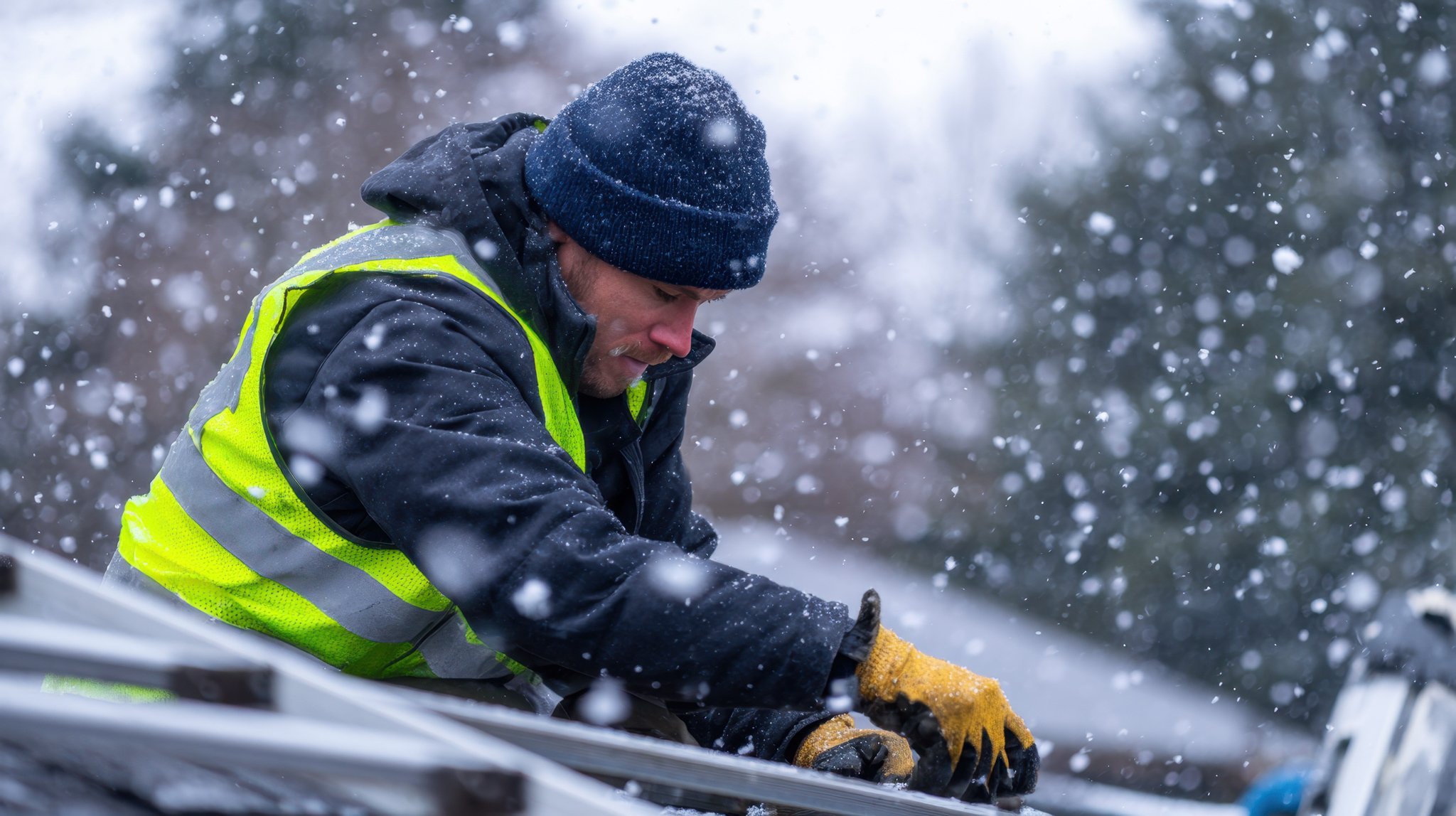
Cold weather does not mean roofing work has to stop. In many parts of the country, fall and winter are common times for roof replacement due to storm damage, insurance timelines, or scheduling needs. However, installing asphalt shingles in cold temperatures requires additional care, materials, and experience to ensure the roof performs as intended.
As an Owens Corning Platinum Preferred Contractor, our crews follow manufacturer-approved cold weather installation practices so your roof is protected from day one, not just when spring arrives.
Here is what homeowners should understand about proper asphalt shingle installation in cold weather and how to tell if a roofing contractor is doing it the right way.
Why Cold Weather Changes How Shingles Are Installed
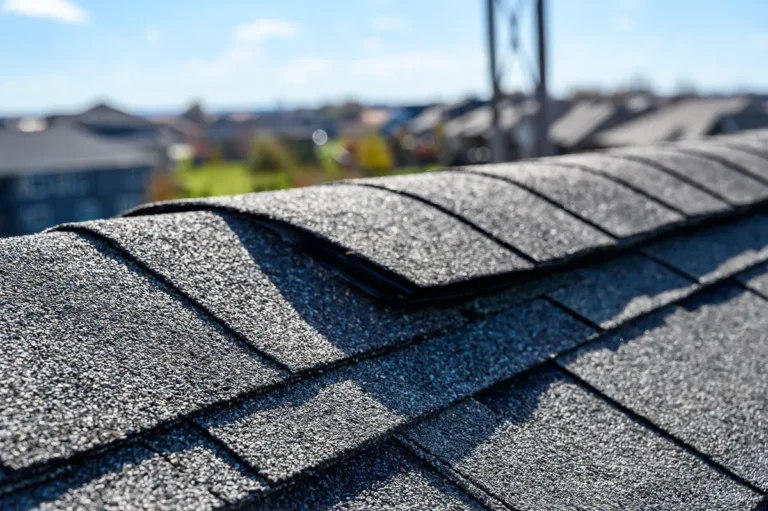
Asphalt shingles rely on a factory-applied adhesive strip that seals shingles together once they warm up in the sun. This sealant may not activate when air and surface temperatures are at or below 40 degrees Fahrenheit. In those conditions, shingles can remain unsealed for weeks or months if additional steps are not taken.
Without proper cold weather techniques, unsealed shingles are more vulnerable to wind uplift and water intrusion during winter storms.
Hand Sealing Shingles Below 40 Degrees
When temperatures are below 40 degrees, we require additional hand sealing at roof perimeters and other vulnerable areas. This involves applying four one-inch dabs of ASTM D4586 compliant asphalt roof cement to each shingle to temporarily secure it until warmer weather allows the factory adhesive to activate naturally.
This roofing cement typically comes in a caulking tube and is applied with a standard caulk gun.
Proper application matters. Too little adhesive can reduce wind resistance, while too much can cause blistering of the shingles. This is one of the details that separates an experienced cold-weather crew from a rushed installation.
Ice and Water Shield Requires Primer in Cold Weather
Ice and water barrier is one of the most important components of a cold-weather roofing system, especially at eaves, valleys, and roof transitions where ice dams and water backup are most likely.
In cold conditions, self-adhered membranes often require a manufacturer-approved primer to ensure proper adhesion to the roof deck. Without primer, the membrane may not bond correctly, increasing the risk of edge lift or water intrusion.
Priming these areas is not optional in cold weather. It is a critical step to ensure the underlayment performs as designed when temperatures drop.
Small Additions That Make a Big Difference
These cold weather measures are temporary but essential. Hand sealing shingles and priming ice and water barriers ensure the roof system remains secure until spring warmth permanently activates the shingle sealant.
Homeowners may never see these steps once the roof is complete, but they play a major role in preventing early failures, wind damage, and warranty issues.
What Homeowners Should Ask Their Roofing Contractor
If you are replacing your roof in colder months, consider asking your contractor:
- How do you install asphalt shingles when temperatures are below 40 degrees?
- Do you hand seal shingles at roof edges and perimeters?
- Do you prime ice and water shield in cold weather?
- Are you following the manufacturer’s cold weather installation guidelines?
Clear, confident answers usually indicate a contractor who understands the system, not just the shingles.
Built to Perform Year-Round
A roof installed in cold weather should perform just as well as one installed in summer. The difference comes down to preparation, materials, and adherence to manufacturer guidance.
By following the manufacturer’s cold weather installation standards, our team ensures your roof is protected immediately and continues to perform long after winter passes.